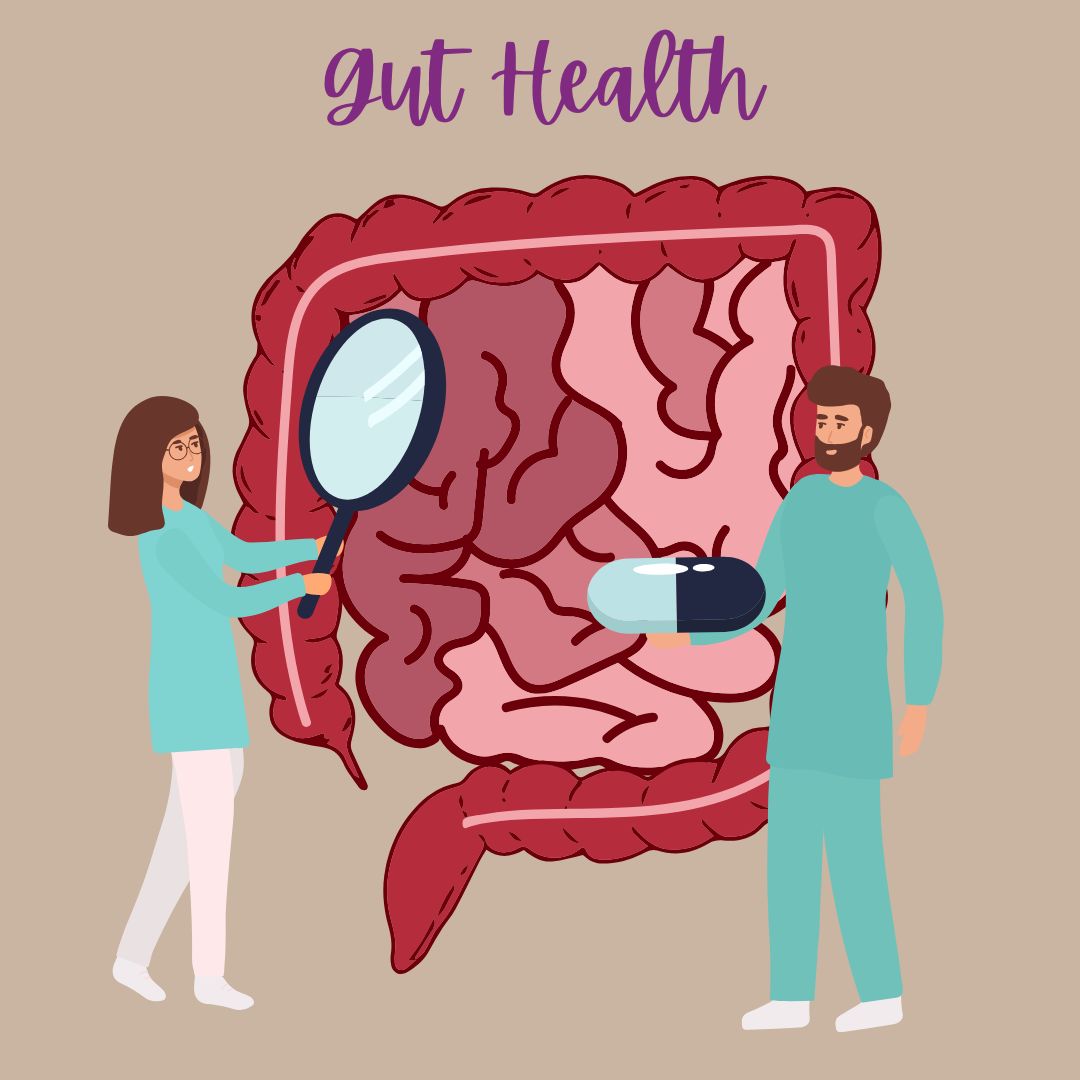
The many roles the gut plays
The gut starts in the mouth and ends at the annus and in between a lot happens. It’s one of the key barriers between the outside and our inside. Its basic function is to process the food we place in it, breaking it down and allowing the broken-down parts to be absorbed, while also removing waste products from the food, along with toxins from the body, via our stools. There is a team of players that perform this process, including digestive enzymes, hormones and of course our “bugs”.
We now know that the “friendly bacteria” in our gut do a lot more than just help to break down the food, although our food is also their food. Hence, the need to keep them happy by eating the right things.
Here is just a sample of the roles they play
- Extracting nutrients from our food
- Digesting fibre and producing health-promoting chemicals
- Making B vitamins and Vitamin K
- Shaping our immune system
- Protecting the body from pathogens
- Regulates our Metabolism
- Mood modulation
- Inflammation
Terminology
Microbiota is the collective term for microbes in the gut.
The microbiome is the genetic material of each of the microbes.
These terms tend to get used interchangeably.
The trillions of microbes present predominantly in our large intestine consist of bacteria (most common), viruses, fungi, archea and protozoa. There are over 1000 different species and each individual person will have their own unique mix. Western nations typically have 160 species.
The microbiota works for our benefit, promoting health; this is known as a symbiotic relationship. However, when it’s not in balance (too many bad guys and not enough friendly ones), it can promote disease and ill health, which is referred to as dysbiosis.
Prebiotics are things that feed the microbiota and that result in a benefit to its health. Most commonly, the parts of food that aren’t absorbed and therefore reach the large intestine e.g., fibre
Probiotics are live microorganisms that, when administered in adequate amounts, confer a health benefit on the host. Unless it can be scientifically substantiated, the term cannot be used, as it would be misleading. So you will see on fermented foods and supplements, they will be described using phrases like contains live bacteria or live cultures.
Postbiotics are the bioactive compounds that the bacteria produce when they consume prebiotics, which exert a beneficial effect on our health. There are many, many postbiotics; some are still being discovered. They include vitamins like K & B12. Top of the list of postbiotics tends to be short-chain fatty acids (SCFA) like butyrate (which is also present in butter), which help healthy bacteria flourish, reduce inflammation and support the health of your gut lining.
What we can do ***
There are lifestyle choices that look after our microbiota and lifestyle choices that can harm it.
Ultra-processed food, high sugar diets, stress, poor sleep, extreme exercise and certain drugs (particularly antibiotics) are all detrimental to the health of our microbiome. *
Here are the 3 key things to treat your microbiota to
Fibre – Prebiotics, found in wholegrains, beans, lentils, vegetables & fruit 30g./day!
(Take care to increase slowly)
Colour – Prebiotics colour in plants is a sign of the presence of polyphenols present in a variety of plants, vegetables, fruit, herbs, spices, coffee, cocoa & olive oil
Fermented Food – Probiotics & Postbiotics include Yoghurt, Kefir, sauerkraut, Kimchi, Miso, Tempeh, Cheese, Kombucha, – some everyday slowly increase
Variety & Fibre are key: Look out for trends, Fibre Maxing ( my advice is to increase slowly) and plant points.
NB Look at the ingredient list….
Hopefully, many of you are now used to looking at the ingredients listing of any food that comes in a package. That is still the case with food that makes claims it’s good for you or your gut! Product claims to support your gut health or contain fibre are becoming more commonplace. Take a look for yourself to see what is in the product. Remember, we can’t claim things are probiotics, so look for live bacteria/cultures.
One example that was brought to my attention by a client who had chosen a particular brand because of its labelling. The one brand of Kefir named itself as GUT HEALTH Kefir drink – it, of course, is no different from the other brands of Kefir. Plain Kefir tends to be exactly that, milk and kefir or live cultures, sometimes they list the different bacteria.
Another example that caught me out was some Kombucha, which naturally can contain small amounts of caffeine; some brands add extra caffeine or guarana, which are both stimulating. Look out for brands claiming to increase your energy; needless to say, I didn’t sleep well that night! Read the Labels
*Seek medical advice before stopping medicine
**Everyone is individual. People with underlying health conditions should seek medical advice or follow the dietary advice they have been given. If you are concerned about making dietary changes, seek advice
Originally posted on